
So many clients ask me: how do I make my brand feel premium?
And often, there's a follow-up: do I need to say it everywhere?
Short answer: no. Longer answer: if you're still saying it, you're probably missing something else.
Where it gets confusing
I absolutely get it. When you've built something good, you want people to know. So you write "premium" in the copy, on the label, everywhere. It feels like you're being clear but clarity and conviction are different things. And premium lives in the latter.
This is what I mean: premium is a conclusion someone else draws; contrary to what many think, premium is not a claim. It comes from how everything feels when they interact with your brand. Not one moment, but the sum of all the moments.
Think about the last time you encountered a brand that actually felt premium, you didn't need them to announce it. You just knew.
The ecosystem, not the announcement
This connects back to my article on Brand as system. Premium isn't built through one perfect logo or a sharp tagline. It's built through coherence across the whole experience, where every touchpoint doesn't say premium, but behaves premium.
Think about Byredo. They sell candles and perfume, but you'd never know it from the packaging. No flowery descriptions, no 'notes of bergamot and sunshine.' Just a name, a number, a color block. The bottle does almost nothing, and somehow that makes you want it more.
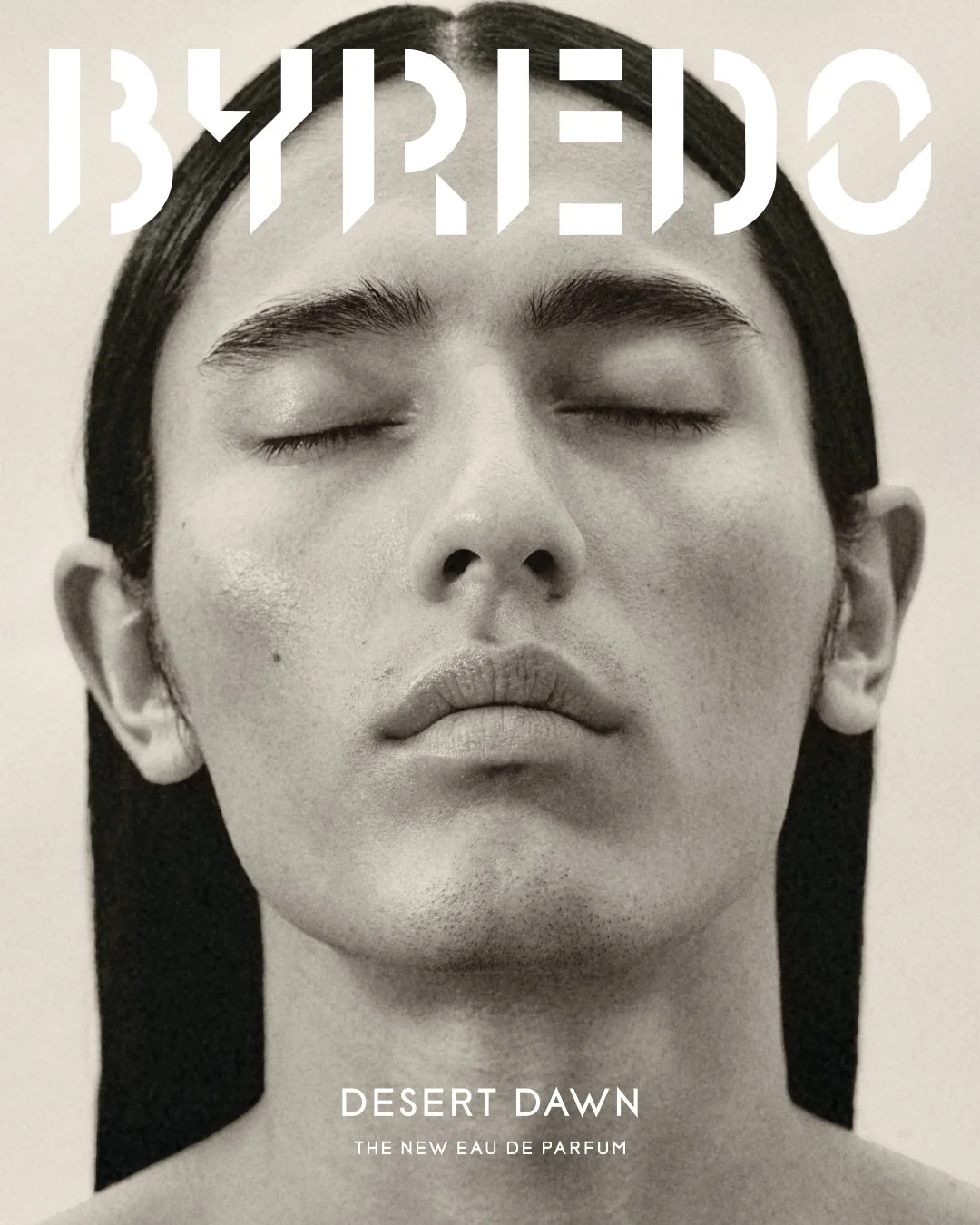
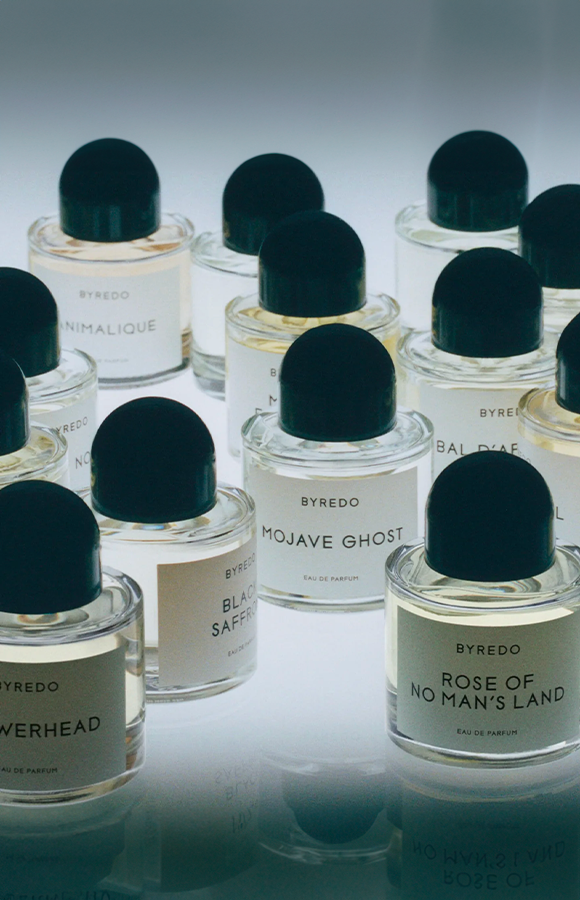
© Byredo. Image used for illustrative purposes only.Or look at Vitsœ, the furniture company that still makes Dieter Rams' designs. Their website could teach a masterclass in restraint. No hero videos, no lifestyle shots of beautiful people lounging. Just the product, the dimensions, the story. The confidence is in what they don't say.
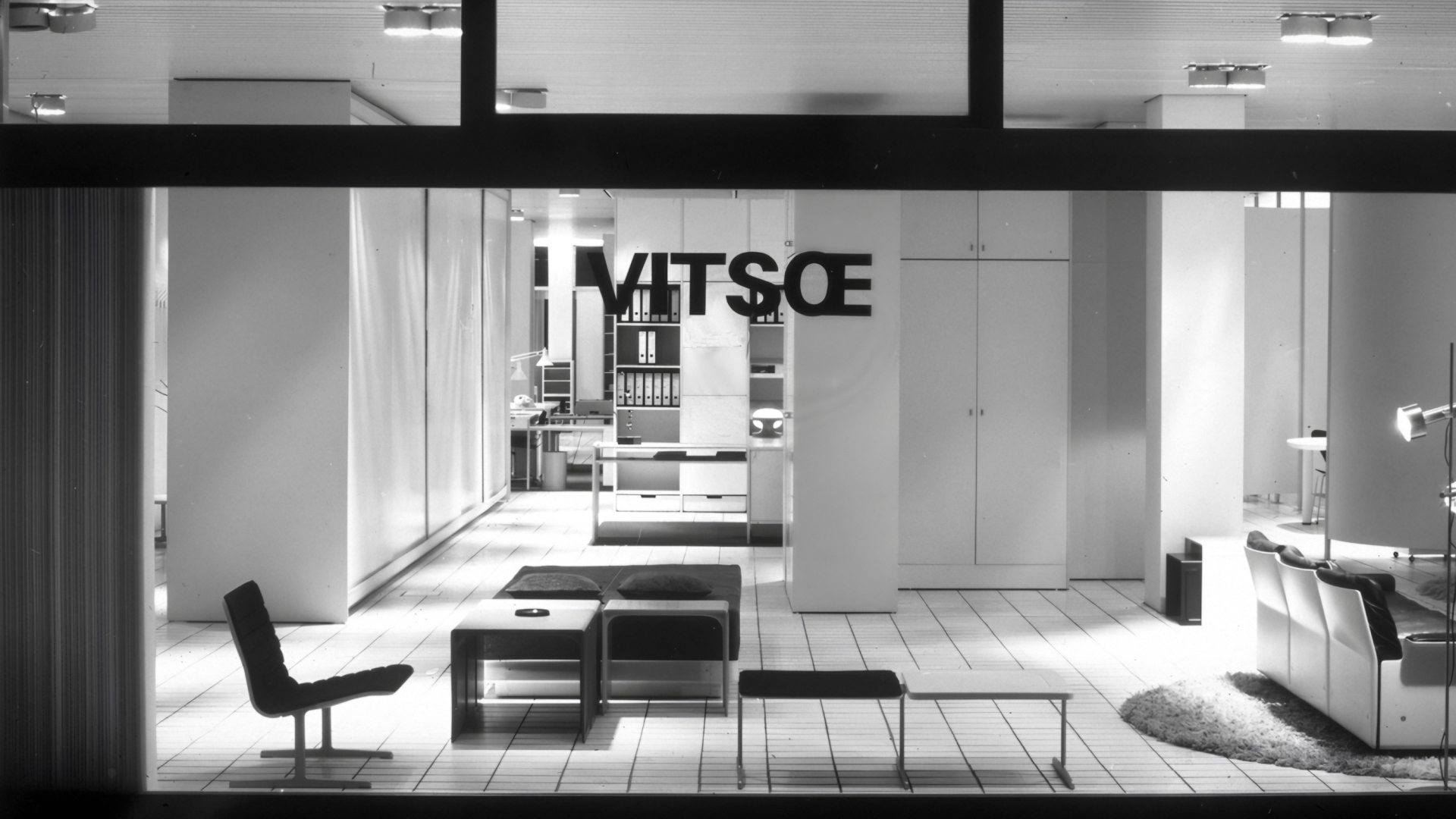
© Vitsoe. Image used for illustrative purposes only.Or consider how certain DTC supplement brands have completely redefined their category. Instead of wellness clichés and pastel gradients, they've adopted design systems that reference scientific rigor – clean typography, structured layouts, ingredient transparency that reads like lab documentation. They never use the word "premium," but the entire system signals it. The coherence does the work.
What creates that feeling isn't any single element. The way you position yourself, the way you communicate, the way things look and behave, the way people actually experience your company. Each part reinforces the same idea. There's a throughline, and even if people can't articulate it, they feel it.
Jenni Romaniuk's research (Building Distinctive Brand Assets, 2018) on brand distinctiveness supports this. She found that consistent brand assets, the ones that create pattern recognition over time, are what make brands stick. It's not about repetition for its own sake but about building a pattern the brain can latch onto. And when that pattern feels elevated, intentional, carefully constructed, that's when premium perception forms.
Where most brands break down
Most companies I work with have genuinely solid products, capable teams, and real substance, and so where does the breakdown happen? In fragmentation!!!
I once worked with a client who had an incredible website – ultra premium design with 3D effects etc. But when prospects requested a proposal, they received a Google Doc template in Times New Roman with a broken footer. The website said one thing, the proposal said something else entirely. That's where premium perception dies: not because there was no quality but because there was inconsistency of delivery.
You'll see a strong visual identity paired with generic messaging. A refined website but inconsistent sales decks. A thoughtful external brand, but a completely different experience when you interact with the team internally or go through their hiring process.
Each touchpoint might work in isolation, but together, they don't form a clear pattern. And without a pattern, the brain hesitates. Which is expensive, especially when you're positioning as premium, because premium is fundamentally about reducing doubt.
Premium reduces friction; it doesn't add it
In high-consideration decisions (and premium purchases almost always fall here), people aren't just evaluating your offer. They're evaluating the certainty around it. Does this feel solid? Does this feel like something I can trust? Does this feel like the right choice?
This is where Antonio Damasio (Descartes' Error: Emotion, Reason, and the Human Brain, 1994) 's work comes in. He demonstrated that emotion isn't separate from decision-making, it's essential to it. We don't choose based on logic alone. Emotion is what enables us to decide in the first place. Which means how someone feels when they interact with your brand directly impacts whether they choose you.
A premium brand makes that decision feel easier. Not because it pushes harder with sales language, but because it aligns better. Everything points in the same direction, so the brain doesn't have to work as hard to piece together who you are and whether you're credible.
So, do you actually need to say it?
No. In fact, the more you declare it, the less convincing it becomes. Premium is an outcome you create, not a message. An outcome of clear positioning, consistent signals, and a system that holds everything together.
This is also why I think ambitious businesses struggle here. They've invested in product quality, they have the substance, but they're showing up in fragments. The website was built by one agency, the pitch deck by the sales team, LinkedIn is managed by marketing, hiring materials pulled from HR templates. There's no throughline. No deliberate system ensuring everything reinforces the same perception.
The real work
If you want your brand to feel premium, don't start with how it looks or what it says. Start with how it operates. Is there a clear idea behind everything? Do all the touchpoints reinforce the same perception? Is the experience aligned with the promise?
Because in the end, people choose brands that make the decision feel obvious.
Curious what examples you've seen where a brand felt premium without ever saying it. What made it land for you?